How much does it cost to remove a tree?
Typical U.S. costs run from a few hundred dollars for a small tree to several thousand for a large or hard-to-reach one. Size, access, tree condition and nearby wires all change the price. Get a written quote.
Request an estimate today
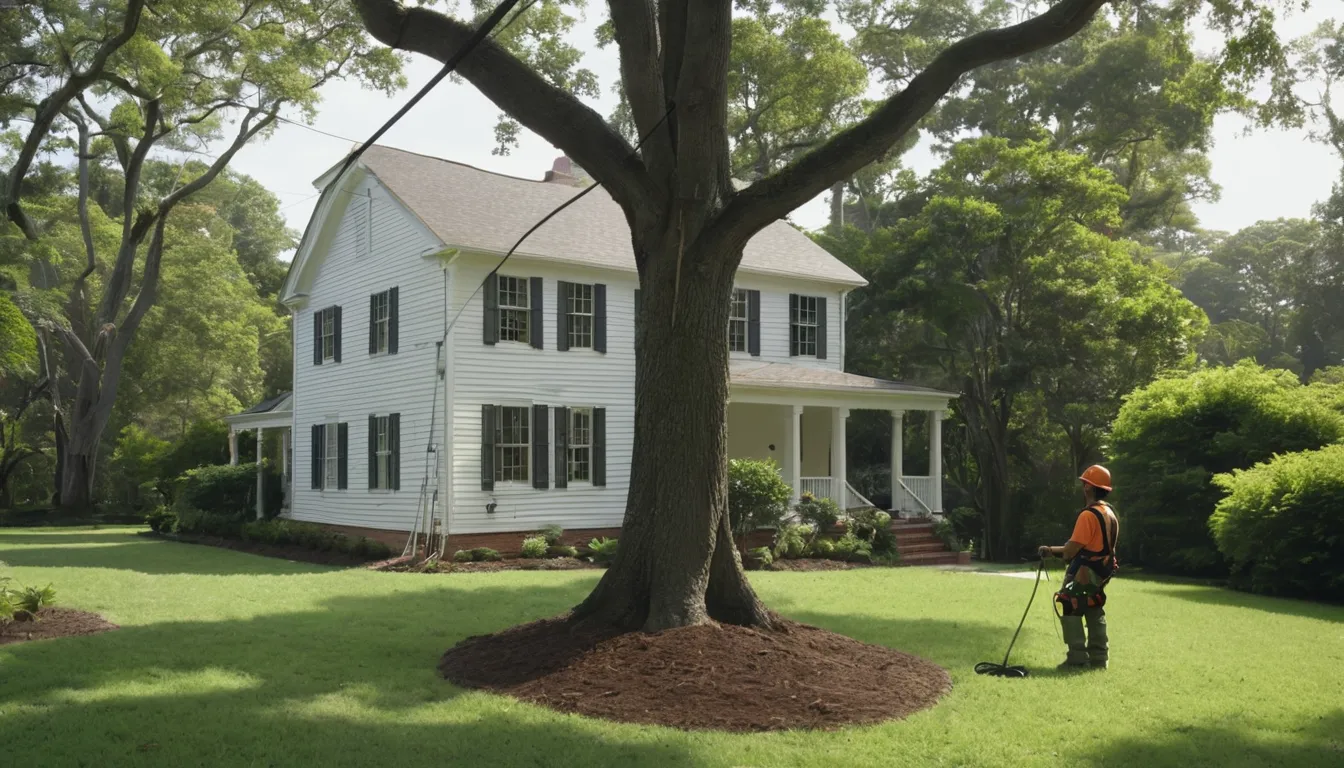
Taking down a tree is a big decision, and it can be a big bill. Guyexamination Tree Service is a referral service that connects Fairfax homeowners with independent providers who handle tree removal across the Fairfax area. We do not cut trees ourselves. We help you reach a local provider and ask for a written quote.
If this is your first time, that matters. A careful job protects your roof, your lawn and your home's value. A rushed or vague job can leave damage, debris and surprise charges. Plan before cutting, compare written quotes, and choose the provider that fits your tree, your yard and your budget.
If a tree has landed on your house, your car or a power line, stay back. Keep children and pets away. Treat any wire near the tree as live and contact your utility. If anyone is hurt, call emergency services first.
Emergency tree removal is a real need after a storm. Many providers in our network can respond quickly when a trunk blocks a driveway or rests on a roof. Availability varies by provider and by weather. Request a callback to check provider availability in your area.
Not every worry is an emergency. These signs, though, deserve a prompt look:
Humid summers push fast growth. Nor'easters bring hard wind and heavy, wet snow. Winter ice and repeated thaws stress weak wood. Together they test every tree on your lot.
Storm tree clearance usually means cutting a fallen tree into sections and hauling it off the property. Some policies may cover sudden damage, so check your policy. Providers can often help document damage for a claim.
If the tree is stable, you have time. Use it. Rushed decisions tend to cost more.
Take photos of the tree from a few angles. Note how close it stands to the house, fences and wires. Then ask two or three providers for written quotes. Side-by-side numbers show you what is normal for your area.
A dead or leaning tree near a colonial or split-level home is a risk to the roof, siding and gutters. Roots can also press on walls and drains close to a basement. Fixing damage later is usually dearer than removing the tree on your own schedule.
Buyers and inspectors notice these things. A clean yard with no hazards helps protect the property and supports resale value. A sloppy job does the opposite.
The provider checks the tree, the lot and anything the tree could hit. They note wires, fences, sheds and tight gaps between houses.
In tight yards, crews often take the tree down in pieces and lower each one with ropes. Open lots may allow a controlled fall. The method is the provider's call.
Branches are chipped or hauled. Logs may be cut for firewood or taken away. Confirm which one is in your quote.
Price follows effort and risk. These are the main factors:
Typical U.S. ranges vary by job. Always get a written quote.
Some towns protect larger or older trees, and some require a permit before removal. Homeowner associations may add their own rules. Check with your local municipality before work starts. Many providers know the local process and can tell you what to expect.
If the trunk sits on a property line, talk with your neighbor first. Utility lines may also need the utility to handle part of the job.
A low number is not always a fair number. Look at what each quote actually covers.
Pick the quote that is clear, complete and fits your budget.
Move cars out of the driveway and off the street if you can. Clear toys, planters and furniture from the work zone. Keep pets indoors. Mark sprinkler heads and buried lines. Let neighbors know when the work is planned.
Take a few "before" photos too. They help if you ever need to compare conditions afterward.
Walk the yard with the provider and check the work against your quote. Look at gutters, fences and the lawn. Ask what was left behind, such as sawdust, logs or a stump.
A stump is often a separate decision with its own price, so ask about it before you agree. Once the area is clear, you can plan new planting farther from the house.
Written answers make comparing quotes simple.
Providers cut the tree down safely, in sections or in one controlled fall, based on your yard and layout.
Fallen or broken trees are cut up and cleared from roofs, driveways, fences and yards after storms.
Dangerous or dead limbs can be taken out when the whole tree does not need to come down.
Branches and logs can be chipped or hauled away. Confirm cleanup in your written quote.
Prices depend on tree size, access, condition and hazards nearby. These are typical U.S. ranges only. Compare written quotes from more than one provider before you decide.
| Job type | Typical range | Notes |
|---|---|---|
| Small tree (under 30 ft) | $150 – $500 | Easy access keeps the price lower |
| Medium tree (30–60 ft) | $500 – $1,200 | Size and nearby structures add effort |
| Large tree (60+ ft) | $1,200 – $3,000+ | Often needs rigging and extra labor |
| Emergency or storm tree removal | $1,000 – $5,000+ | Fallen trees on roofs cost more |
| Hard-access yard | $300 – $1,500 extra | Tight lots may need hand work |
| Wood haul-away and cleanup | $75 – $500 | Sometimes included, so ask |
Share your address, the tree's size and any worries, like leaning or storm damage, through the request form.
Guyexamination Tree Service connects you with an independent local provider who handles tree removal in your area.
Ask for the scope, cleanup details and total price in writing. Compare before deciding.
Agree on a date with your chosen provider. Timing depends on their schedule and the weather.
Providers are asked for written quotes, so you can compare scope and price before you agree.
You are connected with independent providers who work in your area and know local conditions.
A careful job guards your roof, lawn and resale value, not just the tree itself.
Requesting an estimate carries no obligation. You choose whether to move forward.
Tell us about your tree and your yard. We pass your request to a local provider in our network so you can compare a written quote.
Typical U.S. costs run from a few hundred dollars for a small tree to several thousand for a large or hard-to-reach one. Size, access, tree condition and nearby wires all change the price. Get a written quote.
It depends on your town. Some places protect larger trees or require a permit. Check with your local municipality and any homeowner association before work begins. Many providers can explain the local process.
Some policies may cover sudden damage, such as a tree falling on your house. Coverage varies, so check your policy. Providers can often help document damage for a claim. Ask your insurer what applies to you.
Tell us about your tree and your yard. We pass your request to a local provider in our network so you can compare a written quote.
No obligation